Friday, 17 June 2022

Benefits of Elevator Modernisation

Elevators usually have a long service life. Commercial elevators serve well for 15-20 years, and then eventually their performance deteriorates. This is a clear indication of elevator modernisation. Many large multiplexes and multi-storey buildings have elevators that have been working well for several years, but now they are wearing off. Elevator modernisation is upgrading the critical parts of the elevator to improve the safety features and performance efficiency of the elevator. Here are some of the benefits of modernising your old commercial elevator: 


Safety

Old elevators have a high chance of malfunctioning. There are many instances of temporary breakdowns and stops between floors that cause inconvenience to the people. Investing in elevator modernisation helps in avoiding any chances of malfunctioning and increases elevator safety. This process helps in upgrading the elevator to modern safety standards. 

Energy Saving

Modern elevators are designed in a way to save electricity. Advanced technology helps in lowering the overall energy input of the elevator and reducing the energy cost. Many elevator manufacturers provide cost-saving building system solutions that bring down the energy bill by a significant amount. 

Operational Efficiency

The performance of an elevator is the most important aspect of fulfilling the high demand during peak hours. Modernising the elevator helps in taking shorter trips without any performance lags. Increased efficiency leads to efficient connectivity between different floors. 

Aesthetics

The modern world is filled with technically advanced and chic utility spaces. Nowadays, modern office buildings and commercial spaces have a stylish interior. Elevators are an important part of the entire premises. Elevator manufacturers like Mitsubishi Electric India are providing the best solutions with better aesthetics that match the expectations of the builder. 

Maintenance Cost

The maintenance cost of an old elevator is higher than a modern elevator. Changing the old, non-efficient parts of the equipment with new ones ensures better efficiency. Elevator modernisation saves a lot of money on regular repair and servicing. 

It is a one-time expense that has many benefits. Many builders are opting for the elevator modernisation process rather than spending repeatedly on maintaining the old elevator.

Thursday, 12 May 2022

All You Need to Know about Industrial Robots

 An industrial robot is an automated, programmable mechanical machine that is designed to perform production-related tasks in various industries. The robots can be used in a number of applications to help reduce human intervention, especially in repetitive or dangerous tasks, and to improve efficiency and production across operations. The application of robots in various industry verticals has been on the rise in recent times and they can be found almost everywhere, like in healthcare, manufacturing, etc.

Industrial robots can be used from a range of processes, from simple pick-and-place applications to complex assembly tasks, delivering high speed and precision. In addition to this, industrial robots today also come with a number of intelligent options like 3D vision, force sensing, seamless PLC integration, and they can easily function in collaborative applications.


Applications

Industrial Robots offer enhanced convenience and are suitable for several types of applications, like:

  • Harsh environments like high-pressure and vacuum chambers
  • Areas that are terribly dirty and humans cannot work in
  • Dangerous places where potential threats of explosions, infections, radiation, or other hazardous factors make working difficult for human beings
  • Where repetitive and time-consuming tasks are involved

 Benefits of Using Industrial Robots

The application of robots in any industry brings along several benefits, including:

Improved Quality

As robots are automated and carry out tasks by following a pre-defined set of instructions, there are less chances of them making mistakes. Each action is performed with precision, which eventually results in better production quality.

Maximised Productivity

Unlike humans, robots do not need breaks and can operate consistently for long hours. With increased hours of operation, productivity is guaranteed to be maximised.

Improved Safety

There are certain environments that are considered as high-risk for human beings to work in, like in dangerously high-temperatures or tasks with high risk factors, like mining, etc. In such situations, the best alternative is using industrial robots. This way, the chances of occupational hazards workers may be exposed to can be significantly reduced. 

Industrialrobots offer a convenient way of carrying out repetitive and time-consuming tasks without much human involvement. They can be used in hazardous environments where there are a number of threats to humans, to get the desired outputs without putting human lives in danger.

Friday, 15 April 2022

Why You Should Pick an Inverter AC

As we enter into the summer season, the first thing that comes to our mind is the summer heat and harsh sun rays. AC is the perfect invention that beats the summer heat and comforts us with a cool and even temperature room. Nowadays, the electronic market has a variety of air conditioners and the one that has taken the limelight is inverter AC. 


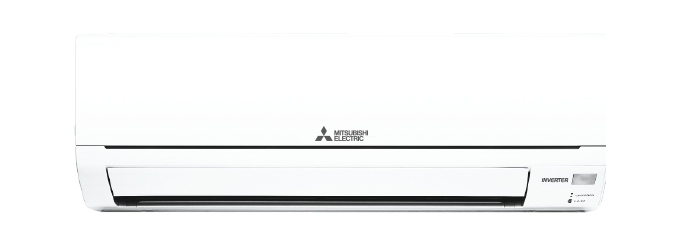
Inverter ACs are energy efficient ACs that offer variable compressor speed. These ACs are designed in a way that the power regulator works in accordance with the room temperature ensuring less energy consumption. There are several advantages of inverter AC over traditional AC:

Energy Efficient

These ACs are highly cost-effective. The compressor of the inverter air conditioner does not work at full capacity resulting in low energy consumption. 

Uniform Cooling Temperature

One of the USPs of this AC is the even cooling temperature. The inverter system adjusts the level of cooling, required in the room. A high-speed compressor helps to cool the air in the room at a much higher pace than normal AC without an inverter. 

Noise-Free Operation

One of the major advantages of this type of AC is its noise-free operation. You are more likely to fall asleep in a few minutes as the AC runs at a very slow speed. 

Knowing all these aspects, inverter AC seems to be a smarter choice when it comes to air conditioning for your private or office space. Mitsubishi ElectricPrivate Limited offers a diverse range of most powerful yet elegant inverter ACs. You can choose from all-weather inverter AC and split inverter AC according to your requirement. 

If you live in a diverse climatic region where you experience equally hot and cold temperatures, then you can also opt for an all-season inverter AC. This AC has a cooling and heating system that is suitable for such climatic conditions. 

Thursday, 24 March 2022

Understanding Hard Automation and Soft Automation

 Currently, the manufacturing landscape is changing at a more rapid pace than ever before. It is because we are swiftly moving towards automation. Automation helps in minimising human intervention to improve the consistency and efficiency of any industrial process to meet difficult production demands. One of the biggest names in factory automation, Mitsubishi Electric India offers a range of products, from programmable controllers to collaborative industrial robots, and has been playing a significant role, supporting the transformation of the industries.

Automation, however, isn’t a singular concept. There are primarily two types. When you wish to automate a process, it is a choice between hard automation and soft automation. What are hard automation and soft automation? What are their benefits? Let’s take a look at them.


Soft Automation

Also known as flexible automation, soft automation is used when a manufacturer wants to alter the production as and when necessary. It’s called soft automation because only the software that automates machines needs to be upgraded and updated. Whether a manufacturer wants to increase production volume or change production quality, it can be done without physically altering the machines. Machines used in soft automation are designed to work in different modes. These are perfect solutions for assembling tasks and material handling as and when required.


Hard Automation

In contrast, hard automation is when physical changes need to be made to the machinery to change its mode of functioning. While soft automation requires reprogramming of the software, hard automation requires physical adjustment of certain parts for efficient mass production and continuous flow systems. Hard automation is mostly preferred by companies because it offers ROI in a short time, even when the upfront cost is high. This type of automation mainly helps in chemical manufacturing processes, paint and coating processes, transfer lines, material handling, etc.


From a business perspective, hard and soft automation can be highly beneficial with each having its advantages and disadvantages. However, given how it saves a tremendous amount for the company by reducing the production cost, boosting product quality, improving the work environment by decreasing machine interaction, and increasing productivity, the advantages certainly outweigh the disadvantages. You can explore Mitsubishi Electric India for sustainable, cost-effective, and efficient automation solutions for high quality products, perfectly suited for your application.

Thursday, 24 February 2022

Advantages of Traction Motors Used in Railways

Traction motors are widely used in many industries, one of the major ones being railways. Traction refers to the force used to propel a vehicle forward, and the system that facilitates that function is called a traction system. Traction systems can broadly be classified into two groups - non-electric traction systems and electric traction systems. Electric traction motors are used in Indian railways due to their environmentally clean technology and low running costs as compared to diesel traction systems. Since trains are a large-scale application, traction motors are used to effectively and safely propel the train forward. 


Here are some of the advantages of traction motors that are used in the Indian railways:

Controls the Speed of the Train

Traction motors use AC and DC motors which have a very high starting torque, which helps in controlling the speed of the train in most conditions. DC motors are used for their speed controlling efficiency. The functioning of trains require high precision and safety, which traction motors are able to provide to the locomotive.

Low Maintenance

Traction motors are completely sealed structures that help in the prevention of dust intrusion. A reduced number of components mean fewer parts requiring maintenance, which in turn reduces the maintenance cost of the system.

Smooth Operations

DC traction motors are used widely in various types of industries including the railways, where a defined amount of speed and power is required. Traction motors help in the smooth operations of a train and also help avoid adverse situations.

Low Noise

Since traction motors are completely sealed structures, they produce lower noise as compared to other diesel motors. The built-in cooling fan in traction motors also helps in keeping the operational sound of the motor low.

High Reliability

Traction motors have been an irreplaceable part of the Indian railways for a very long time. Locomotives need motors that enable seamless operations and provide efficiency in various environments. Hence traction motors are highly reliable in the locomotive industry.

High Torque

Trains are considered to be heavy loads, which means that they require a heavy motor to propel them forward. DC motors are well suited for this purpose due to their high torque generation. This means that traction motors can provide a consistent level of traction over a longer duration with consistent speed and power.

Traction motors are used in the railways due to the many benefits they offer as compared to other diesel motors. Since trains are exposed to extreme weather conditions, the ability of traction motors to cope with such situations without affecting the performance of the locomotive make them a highly preferred choice in the industry.


Thursday, 20 January 2022

A Guide to Help You Reduce Air Conditioner Bill at Home

Air conditioners are the best way to keep your home cool and comfortable during the hot temperatures of summer. However, AC usage comes with the biggest concern of monthly energy bills. Several factors affect the AC’s energy efficiency and cooling power, including the design of the air ducts, weather conditions, layout of your space, and age and condition of the unit. But there are ways to prevent the air conditioner bill from shooting up, keep rooms cool and minimize energy wastage. Here we talk about some easy ways to help you reduce the AC bill at your home.


Use Ceiling Fan for Circulation

One of the best ways to reduce energy consumption is using the ceiling fan and AC system together. It will flow the cool air in each corner and keep the room well-ventilated. Running AC and ceiling fans together will also allow you to avoid reducing the temperature frequently. If you are concerned about increasing energy bills, consider switching on the AC, along with a fan to blow away the hot air in the room. It will provide efficient cooling with lower energy usage.


Cleaning and Maintenance

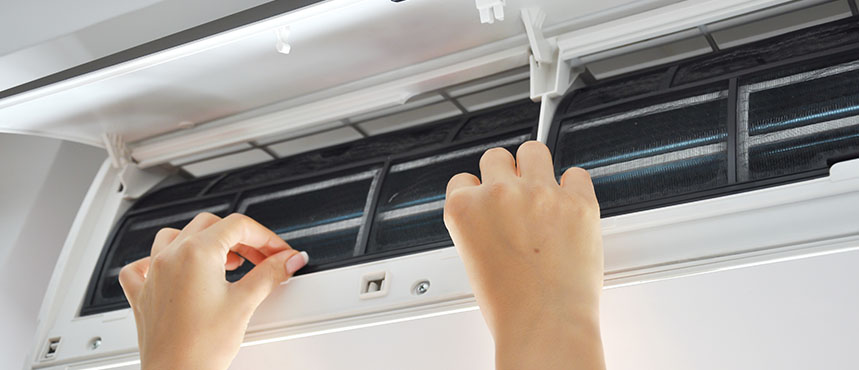
Remember, your air conditioner will utilize less energy if the airflow and dirty vents are not blocked. Keeping your AC ducts and vents clean can help it run more efficiently without wasting extra electricity. Make sure the room layout or furniture pieces do not cover the vents. Also, you need to follow a regular maintenance schedule to help your AC unit maintain its original efficiency.


Upgrade to Latest AC System

If you are planning to change your old air conditioner, avoid choosing the same type you had earlier. An advanced design such as a VRF system is more competitive and cleverly designed for the current conditions. Though the latest system can be more efficient, you can also think about upgrading parts on an old AC unit to increase its energy efficiency. 


These are a few tips to help you reduce the air conditioner bill at your home. Make sure you buy an air conditioner with the highest star rating as it will cool your room most efficiently.

Tuesday, 21 December 2021

Things to Know About Rolling Stock System

Rolling stock is one of the most complex yet important parts of the railway and transport systems. The rolling stock manufacturing process, in railways, consists of steps that start with the signing of the contract and end with the presentation of a new railroad train. The stages involve creating the design, purchasing materials and components, manufacturing and assembling, testing, and delivery. All safety-relevant functionalities, including brakes, gear, drives, regulations, and controls, need to be in working order to ensure safe, comfortable, and correctly operating railway transportation. Here are a few things you should know about the rolling stock system and its manufacturing process.

Materials 

The material quality is a vital part that should be considered by the rolling stock manufacturer. The material should meet the hardness requirements, strength, durability for the safety level of the system. Remember, the failure or breakdown of a structural component can lead to serious consequences for everyone. It can be a costly task for the manufacturer to fix structural defects in delivered parts. Thus, it is crucial to pay attention to the material quality from the beginning. 


Jigs and Tools

A jig is either a steel bed or a series of specifically designed steel frames, upon which the section will be fixed while they are welded. Jigs are available in different sizes and spaces, as per the parts to be collected. Also, if any particular tools are needed, they should be accurately designed to the highest standards. Poor quality jigs and tools design can be a failure for the project. So, manufactures have to be careful while using jigs and tools. Also, there are different types of wires in a rail car, and it is crucial to ensure that each wire is fixed on the correct point through the most convenient route.
 

Configuration Control

Configuration control is done to ensure that all the documents associated with the order and contract are registered, get customer approvals in time, and the latest changes in the drawings and instructions are given to the production control team. It also involves checking the vehicle as it gets assembled to ensure quality and perfection in work.
These are a few important things you should know about the rolling stock system and its manufacturing process. You can find more details about rolling stock system and its manufacturers online.