Thursday, 24 February 2022

Advantages of Traction Motors Used in Railways

Traction motors are widely used in many industries, one of the major ones being railways. Traction refers to the force used to propel a vehicle forward, and the system that facilitates that function is called a traction system. Traction systems can broadly be classified into two groups - non-electric traction systems and electric traction systems. Electric traction motors are used in Indian railways due to their environmentally clean technology and low running costs as compared to diesel traction systems. Since trains are a large-scale application, traction motors are used to effectively and safely propel the train forward. 


Here are some of the advantages of traction motors that are used in the Indian railways:

Controls the Speed of the Train

Traction motors use AC and DC motors which have a very high starting torque, which helps in controlling the speed of the train in most conditions. DC motors are used for their speed controlling efficiency. The functioning of trains require high precision and safety, which traction motors are able to provide to the locomotive.

Low Maintenance

Traction motors are completely sealed structures that help in the prevention of dust intrusion. A reduced number of components mean fewer parts requiring maintenance, which in turn reduces the maintenance cost of the system.

Smooth Operations

DC traction motors are used widely in various types of industries including the railways, where a defined amount of speed and power is required. Traction motors help in the smooth operations of a train and also help avoid adverse situations.

Low Noise

Since traction motors are completely sealed structures, they produce lower noise as compared to other diesel motors. The built-in cooling fan in traction motors also helps in keeping the operational sound of the motor low.

High Reliability

Traction motors have been an irreplaceable part of the Indian railways for a very long time. Locomotives need motors that enable seamless operations and provide efficiency in various environments. Hence traction motors are highly reliable in the locomotive industry.

High Torque

Trains are considered to be heavy loads, which means that they require a heavy motor to propel them forward. DC motors are well suited for this purpose due to their high torque generation. This means that traction motors can provide a consistent level of traction over a longer duration with consistent speed and power.

Traction motors are used in the railways due to the many benefits they offer as compared to other diesel motors. Since trains are exposed to extreme weather conditions, the ability of traction motors to cope with such situations without affecting the performance of the locomotive make them a highly preferred choice in the industry.


Thursday, 20 January 2022

A Guide to Help You Reduce Air Conditioner Bill at Home

Air conditioners are the best way to keep your home cool and comfortable during the hot temperatures of summer. However, AC usage comes with the biggest concern of monthly energy bills. Several factors affect the AC’s energy efficiency and cooling power, including the design of the air ducts, weather conditions, layout of your space, and age and condition of the unit. But there are ways to prevent the air conditioner bill from shooting up, keep rooms cool and minimize energy wastage. Here we talk about some easy ways to help you reduce the AC bill at your home.


Use Ceiling Fan for Circulation

One of the best ways to reduce energy consumption is using the ceiling fan and AC system together. It will flow the cool air in each corner and keep the room well-ventilated. Running AC and ceiling fans together will also allow you to avoid reducing the temperature frequently. If you are concerned about increasing energy bills, consider switching on the AC, along with a fan to blow away the hot air in the room. It will provide efficient cooling with lower energy usage.


Cleaning and Maintenance

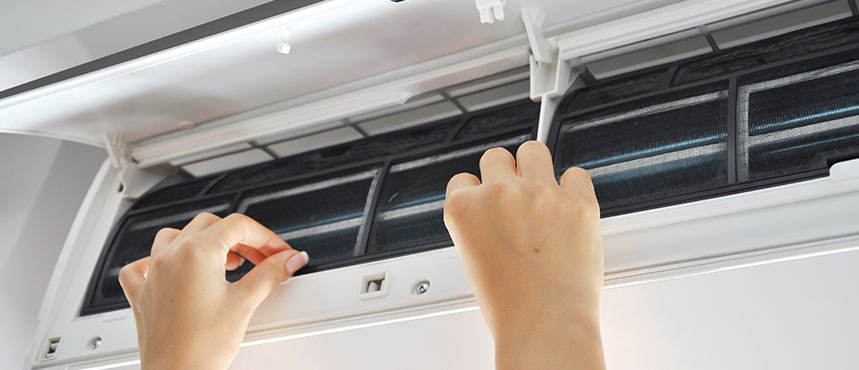
Remember, your air conditioner will utilize less energy if the airflow and dirty vents are not blocked. Keeping your AC ducts and vents clean can help it run more efficiently without wasting extra electricity. Make sure the room layout or furniture pieces do not cover the vents. Also, you need to follow a regular maintenance schedule to help your AC unit maintain its original efficiency.


Upgrade to Latest AC System

If you are planning to change your old air conditioner, avoid choosing the same type you had earlier. An advanced design such as a VRF system is more competitive and cleverly designed for the current conditions. Though the latest system can be more efficient, you can also think about upgrading parts on an old AC unit to increase its energy efficiency. 


These are a few tips to help you reduce the air conditioner bill at your home. Make sure you buy an air conditioner with the highest star rating as it will cool your room most efficiently.

Tuesday, 21 December 2021

Things to Know About Rolling Stock System

Rolling stock is one of the most complex yet important parts of the railway and transport systems. The rolling stock manufacturing process, in railways, consists of steps that start with the signing of the contract and end with the presentation of a new railroad train. The stages involve creating the design, purchasing materials and components, manufacturing and assembling, testing, and delivery. All safety-relevant functionalities, including brakes, gear, drives, regulations, and controls, need to be in working order to ensure safe, comfortable, and correctly operating railway transportation. Here are a few things you should know about the rolling stock system and its manufacturing process.

Materials 

The material quality is a vital part that should be considered by the rolling stock manufacturer. The material should meet the hardness requirements, strength, durability for the safety level of the system. Remember, the failure or breakdown of a structural component can lead to serious consequences for everyone. It can be a costly task for the manufacturer to fix structural defects in delivered parts. Thus, it is crucial to pay attention to the material quality from the beginning. 


Jigs and Tools

A jig is either a steel bed or a series of specifically designed steel frames, upon which the section will be fixed while they are welded. Jigs are available in different sizes and spaces, as per the parts to be collected. Also, if any particular tools are needed, they should be accurately designed to the highest standards. Poor quality jigs and tools design can be a failure for the project. So, manufactures have to be careful while using jigs and tools. Also, there are different types of wires in a rail car, and it is crucial to ensure that each wire is fixed on the correct point through the most convenient route.
 

Configuration Control

Configuration control is done to ensure that all the documents associated with the order and contract are registered, get customer approvals in time, and the latest changes in the drawings and instructions are given to the production control team. It also involves checking the vehicle as it gets assembled to ensure quality and perfection in work.
These are a few important things you should know about the rolling stock system and its manufacturing process. You can find more details about rolling stock system and its manufacturers online.

Tuesday, 30 November 2021

Finding the Right Air Conditioner

When you’re in the market to buy a new air conditioning system for your home or business, it’s quite easy to get overwhelmed by the sheer number of options that are available. From simple split and window units for homes, to central air conditioners for large areas and commercial ACs that are designed for some very different purposes, here are some of the most popular types of ACs that you should know of before zeroing in on one for your requirement.

Central Air Conditioners

Central air conditioners are used to control the temperature of a large area or of multiple rooms at once and are usually paired with modern HVAC systems to provide favourable conditions. These ACs use a split system that regulates air through ducts that are installed in every room, while the central unit is placed on the roof or on a concrete slab outside. It follows a method of structural cooling where the air cools the centralised unit before being circulated through the air vents.

Split AC (Duct-less)

Split ACs are the most popular kinds of air conditioners that are usually seen at homes. Similar to central ACs, these too consist of two units, one mounted outside and the other inside the room. The Split air conditioner’s power consumption is not that high when compared to central ACs. Split ACs are usually used when the cooling capacity required is not very high, for example for a single room, but the location lacks window space that can fit a traditional window AC.


Packaged Air Conditioners

Packaged air conditioners are popular ACs for commercial setups, where installing multiple split or window ACs is not exactly feasible. They are available in fixed rated capacities of 3, 5, 7, 10 and 15 tons and are most popularly installed in restaurants, cafes, shops and more.

Air Curtains

This is a kind of commercial AC unit that is most commonly installed at entrances or exists of supermarkets, shopping malls, theatres, and other similar locations. The unit consists of a strong blower that discharges air from the top to the bottom, creating an air seal that prevents outside air from penetrating into the store, and preserves the health, hygiene, and quality of the air inside. Air curtains also help keep unwanted elements, such as debris, pests, insects and other air pollutants from entering the premises.

While considering the above mentioned factors, also keep in mind to look at your budget and space limitations, as well as the energy consumption and cooling power of the AC to find the one that suits your requirements.

Thursday, 21 October 2021

3 Things to Keep in Mind Before Choosing a Lift for the Office

It has now become important for every office to have lifts. If not lifts, then escalators. Many office spaces have both lifts and escalators. Although it’s good to see them in an office for they make going anywhere in the office convenient, the difficult part is choosing one for your office. To help you do that, here are 3 things you should keep in mind before choosing a lift for your office:

1. Check out the Range

The first thing you do is check out the range. Find out the companies that sell lifts for offices and visit their office. Tell them what you are looking for and your budget. They will show you a range of lifts that you can choose from. Listen to the executive when they tell you the benefits of each type of lift. Write it down in a notebook to discuss later with other senior members of the office.

2. Installation Cost

Lifts are not bought and fit in where you intend them to. They are heavy machines and require installation from professionals. This means that there will be an installation cost attached with your purchase too. Ask about the installation cost as well. The cost of the lift and its installation combined should be in your budget. If it’s not, you will be going beyond your budget, and that expense you will have to cut from a budget of another thing.

3. Maintenance Requirement

Every electric and electronic equipment requires maintenance, so does a lift. Know the maintenance requirement of a lift before you buy it. This will help you ensure that the lifts in your office work smoothly and for a long time because you are maintaining them properly. 

Buying the right lift for your office will take time. You need to be patient during the whole process and never try to rush the process. Always discuss and deliberate before choosing a lift for your office.

Monday, 20 September 2021

Top Benefits of Using Air Curtains at Commercial Spaces

Ensuring customer satisfaction and maintaining a hygienic environment are crucial and also help increase footfall in commercial spaces like malls, stores, and hotels. Using an air curtain is one of the best ways to mitigate these concerns and boost your sales.

As the name suggests, an air curtain blows a ‘curtain’ of air at high speeds. They are installed at doorways and openings, and deliver constant airflow across the open space, and helps maintain the temperature indoors, while also keeping unwanted elements like pollutants and pests away. Another major benefit of air curtains is reduced energy consumption, which helps you save on your electricity bills, translating into more savings.

Here is more on the advantages offered by air curtains.

1. Save on Electricity Bills

Helping ensure maximum efficiency for your AC, an air curtain creates a barrier between the indoors and outdoors and prevents loss of cooling. Perfect for open doors and for separating different temperature zones in an establishment, air curtains make sure the temperature inside is maintained at the required level, so the load on the air conditioning system is also reduced. This translates into reduced energy consumption and lower electricity bills.

2. Maintains a Clean Environment

The flow of air through the air curtain is strong enough to create a shield across the opening. This helps keep outside pollutants like fumes, dust particles, pollens, and pests from getting in, which, in turn, ensures that a clean and hygienic environment is maintained for your customers to feel safe and comfortable.

3. Better Utilisation of Floor Space

Many commercial spaces have vestibules that separate the inside and outside environments. While this method is effective, it utilises a lot of floor space and may even be a little inconvenient for customers. On the other hand, air curtains can easily be installed at the top of the doors, which frees up a lot of floor space.

4. Less Wear & Tear of the Temperature Control System

The reduced load on air conditioning equipment translates to less wear and tear, thereby leading to low operational costs. You can better utilise the money you save to enhance the customer experience or to expand the range of products and services being offered.

Air curtains are increasingly becoming a common feature at most commercial establishments thanks to all the benefits they have to offer.

Wednesday, 18 August 2021

Comparison between Hard and Soft Automation

When it comes to incorporating automation into their operations, manufacturers have several options. The ideal conceptual approach to automation implementation is to begin with the product and work backwards through the automation process. The manufacturer's choice of hard (fixed) or soft (flexible) automation is determined by the kind of product being manufactured and the volume of production.

Hard Automation

Hard automation is the employment of specialised equipment to automate a predetermined sequence for processing or assembly processes. Each operation in the series is typically basic, comprising either a simple linear or rotational motion or a basic mix of the two. Changes in product design are generally difficult to accommodate in hard automation.

Hard automation is utilised for a specific manufacturing objective with set procedures. It is ideally suited for automated equipment that produces high-volume items with minimum changes or changeovers. This sort of automation, most often, automated assembly line equipment, involves a large initial investment and high output rates.

Advantages:

  • Low per unit costs
  • Material handling automation
  • High output rates

Soft Automation

Flexible automation is a subset of programmable automation. A versatile automation system can produce a wide range of components with little to no downtime for changeovers from one component style to the next. There is no downtime involved in reprogramming the system or changing the physical configuration either.

Soft automation can be utilised to produce a wide range of components with almost no downtime required for component style changes or for making several small batches of a single product. When reprogramming the system, no production time is wasted. The benefits of soft automation include continuous manufacture of varied product combinations and the ability to adapt different product designs. When compared to hard automation, the disadvantages include a medium output rate, high long-term production expenses, and a high per unit cost.

Advantages:

  • Constant manufacturing of various product mixes
  • Adaptable to changes in product design

As both hard automation and soft automation systems have their own set of advantages to offer, due research at the time of integration is essential. The stage of the product life cycle (that is to be automated), market competitiveness, your production requirements, etc. are some factors you should consider when choosing an automation system.